
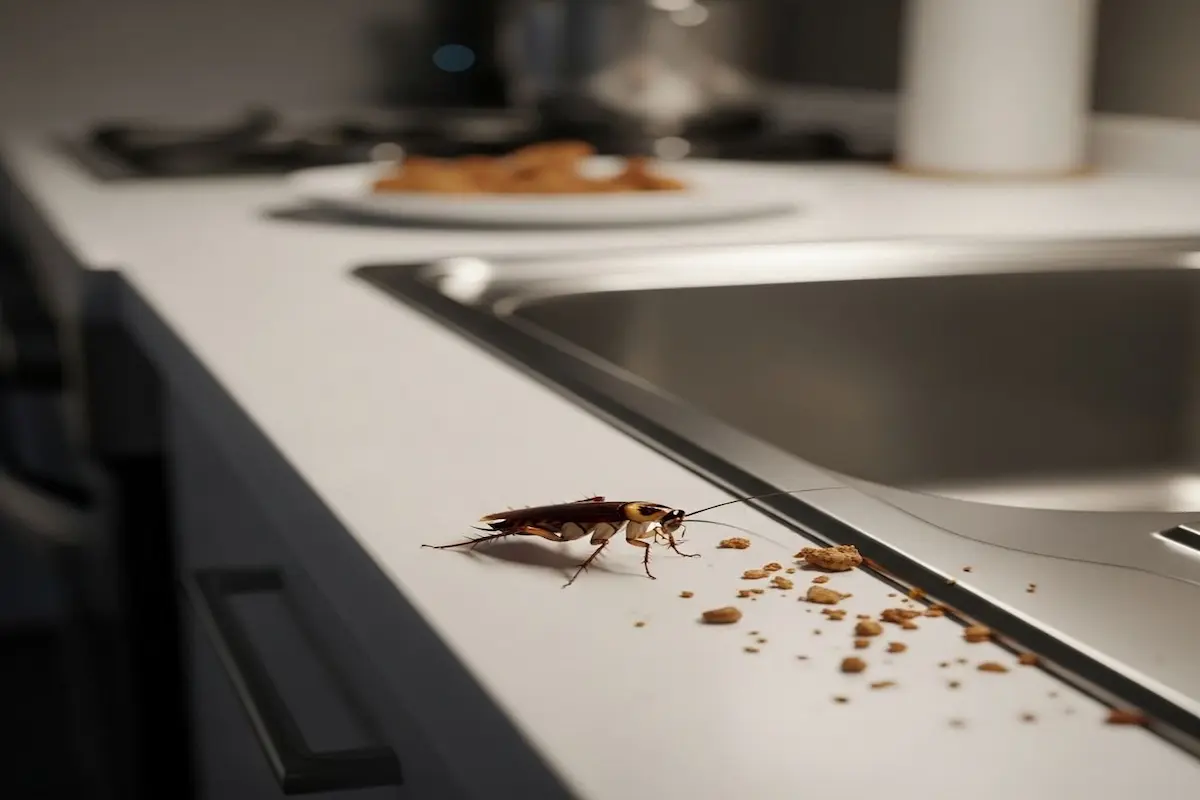
How often should pest control be done? Complete Guide for Homes & Businesses
How often should pest control be done is one of the most common questions asked by homeowners, offices, restaurants, hotels, schools, and businesses in Nairobi. Many people only schedule pest control after seeing cockroaches, bed bugs, rodents, ants, or mosquitoes, yet preventive treatment is usually more effective and less expensive in the long run.
Understanding How often should pest control be done helps prevent infestations before they become severe, protects health, improves hygiene, and reduces property damage caused by pests. The ideal pest control schedule depends on several factors including the type of property, pest activity level, environmental conditions, and previous infestations.
This complete guide explains:
- How often pest control should be done
- Recommended schedules for homes and businesses
- Factors affecting pest control frequency
- Signs you need immediate treatment
- Why regular pest control matters
- Professional vs occasional pest treatment
👉 Learning How often should pest control be done helps maintain a safer, cleaner, and pest-free environment throughout the year.
Quick Answer: How often should pest control be done?
The answer to How often should pest control be done depends on the type of property and the level of pest activity.
| Property Type | Recommended Pest Control Frequency |
|---|---|
| Residential homes | Every 3–6 months |
| Apartments | Every 3–4 months |
| Offices | Every 2–3 months |
| Restaurants & hotels | Monthly |
| Warehouses & industrial facilities | Monthly or quarterly |
| Schools & institutions | Quarterly |
👉 Properties with severe or recurring infestations may require more frequent treatment and monitoring.
Why Regular Pest Control Is Important
Many pests reproduce rapidly and remain hidden during the early stages of infestation. By the time pests become visible, the infestation may already be widespread.
Regular pest control helps:
- Prevent pest breeding
- Reduce health risks
- Protect furniture and property
- Improve hygiene standards
- Prevent recurring infestations
- Maintain a comfortable environment
Ignoring preventive treatment can lead to expensive infestations that are more difficult to eliminate later.
Factors That Determine How Often Pest Control Should Be Done
Several important factors affect How often should pest control be done in homes and commercial spaces.
1. Type of Pest
Different pests require different treatment schedules because some spread faster than others.
| Pest Type | Recommended Frequency |
|---|---|
| Cockroaches | Every 3 months |
| Bed bugs | As needed until eliminated |
| Mosquitoes | Monthly during rainy seasons |
| Rodents | Every 2–3 months |
| Ants | Every 3–6 months |
| Termites | Annual inspections minimum |
👉 Severe infestations may require multiple treatments before complete elimination.
For example, homes struggling with recurring how to get rid of cockroaches in Nairobi problems often require more aggressive pest management schedules.
2. Type of Property
The type of property plays a major role in determining How often should pest pontrol be done.
High-risk properties include:
- Restaurants
- Hotels
- Apartments
- Warehouses
- Schools
- Hospitals
- Food handling businesses
These spaces attract pests more easily because of:
- Food exposure
- Human traffic
- Moisture buildup
- Waste accumulation
Commercial spaces usually require more frequent pest management than residential homes.
3. Environmental Conditions
Warm weather, moisture, poor drainage, and nearby vegetation increase pest activity.
In Nairobi, pest infestations often increase during:
- Rainy seasons
- Humid conditions
- Warm periods
👉 Environmental factors directly affect How often should pest pontrol be done in certain areas.
4. Previous Pest Infestations
Properties with a history of recurring pest infestations often require ongoing preventive treatment.
For example, severe infestations requiring bed bug treatment Nairobi services may need repeated follow-up inspections and monitoring.
Recommended Pest Control Schedule for Homes
Residential Pest Control Frequency
| Home Condition | Suggested Treatment Schedule |
|---|---|
| Low pest activity | Every 6 months |
| Moderate pest activity | Every 3–4 months |
| High pest activity | Every 2–3 months |
| Severe infestations | Monthly until controlled |
👉 Regular inspections help identify pest activity before infestations spread.
Recommended Pest Control Schedule for Businesses
Businesses often require stricter pest management programs to maintain hygiene standards and customer confidence.
| Business Type | Recommended Frequency |
|---|---|
| Restaurants | Monthly |
| Hotels | Monthly |
| Offices | Every 2–3 months |
| Retail shops | Quarterly |
| Warehouses | Monthly or quarterly |
| Schools | Quarterly |
Businesses benefit greatly from preventive pest management rather than waiting for infestations to appear.
Signs You Need Immediate Pest Control
If you notice the following signs, you may require urgent professional treatment:
| Warning Sign | Possible Pest Problem |
|---|---|
| Pest droppings | Active infestation |
| Unusual odors | Hidden pest activity |
| Bite marks | Bed bugs or rodents |
| Visible insects | Expanding infestation |
| Property damage | Rodents or termites |
| Scratching sounds | Rodent infestation |
👉 Delaying treatment can allow infestations to spread rapidly.
Preventive Pest Control vs Reactive Pest Control
Understanding the difference between preventive and reactive treatment is important when deciding How often should pest pontrol be done.
| Approach | Result |
|---|---|
| Preventive pest control | Long-term protection |
| Reactive treatment only | Higher infestation risk |
| Regular inspections | Early detection |
| Delayed treatment | Increased treatment costs |
👉 Preventive pest control is usually more cost-effective than emergency treatment.
DIY Pest Prevention Tips Between Treatments
Maintaining cleanliness between pest control visits helps improve treatment effectiveness.
Recommended prevention methods:
| Prevention Tip | Benefit |
|---|---|
| Store food properly | Reduces pest attraction |
| Fix leaking pipes | Eliminates moisture |
| Seal cracks and openings | Blocks entry points |
| Empty trash regularly | Prevents breeding |
| Clean kitchens frequently | Removes food sources |
People comparing professional pest control vs DIY methods should understand that DIY prevention works best when combined with professional treatment.
Why Professional Pest Control Is More Effective
At First Choice Cleaning Services Ltd, our pest control services in Nairobi are designed to provide long-term protection using safe and effective pest management techniques.
Professional pest control helps:
- Eliminate hidden infestations
- Reduce re-infestation risk
- Improve hygiene and safety
- Protect furniture and property
- Save long-term treatment costs
👉 Professional treatment is especially important for severe or recurring infestations.
Health Risks Associated with Pests
Pests can contribute to:
- Food contamination
- Allergic reactions
- Asthma triggers
- Skin irritation
- Disease spread
Learn more about health risks associated with pests from the World Health Organization.
When Should Businesses Schedule Pest Control?
Businesses should never wait until pests become visible before scheduling treatment.
Regular pest control is essential for:
- Restaurants
- Offices
- Hotels
- Schools
- Healthcare facilities
- Warehouses
Preventive treatment helps businesses maintain cleanliness, customer trust, and compliance standards.
Frequently Asked Questions (FAQs)
How often should pest control be done in homes?
Most homes benefit from pest control every 3–6 months depending on infestation risk.
Is one pest control treatment enough?
Not always. Severe infestations may require multiple treatments and follow-up inspections.
How often should restaurants schedule pest control?
Restaurants and food-related businesses should schedule pest control monthly due to hygiene requirements.
Does weather affect pest infestations?
Yes. Rainy and humid conditions usually increase pest activity.
Related Blog Posts
Final Thoughts
Understanding How often should pest control be done is essential for maintaining a healthy, clean, and pest-free environment in both homes and businesses. Preventive pest management is more effective than waiting until infestations become severe and difficult to eliminate.
Regular professional pest control helps reduce health risks, protect property, and prevent recurring infestations caused by cockroaches, bed bugs, rodents, ants, mosquitoes, and other pests.
For reliable and long-lasting results, professional pest management remains the safest and most effective solution for long-term pest prevention.
0 Comments